
Delaying Mice Removal and Repairs Gets Expensive
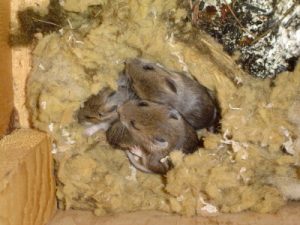 A Small Noise That Turned Into a Big Problem. Last winter, a Maplewood homeowner heard what sounded like a faint scratching behind her kitchen cabinets. She brushed it off—probably just the wind, she thought. A few weeks later, she noticed small chew marks near the pantry, then droppings, and finally a musty odor in the basement. By the time she called for help, mice had chewed through insulation, gnawed electrical wiring, and contaminated storage areas. What began as a minor nuisance
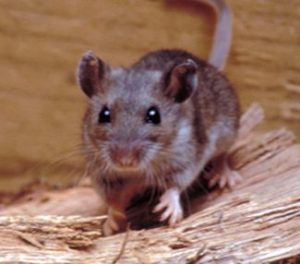 A scratching sound you can’t ignore. It usually starts late at night, a faint scratching or scurrying behind the drywall. At first, you might brush it off as your imagination, but as days go by, the sound grows more frequent. Homeowners and property managers across Minnesota know that this unsettling noise often means one thing: mice have found a way inside your home and into your walls. These tiny invaders don’t just create noise, they cause real damage and health risks if left unchecked. They also have 5 or more litters in one year.
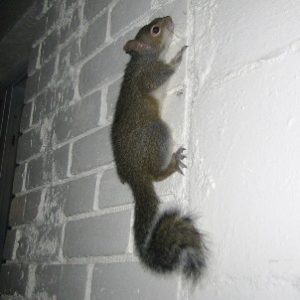 It’s a cold Minnesota morning, and as the wind howls outside, a faint scratching noise breaks the stillness in your home. You pause, listening closer and find it’s coming from above. What started as a few harmless sounds quickly turns into a nightly disturbance. When the insulation starts to shift and droppings appear, the reality sets in: uninvited guests have moved in for the winter.
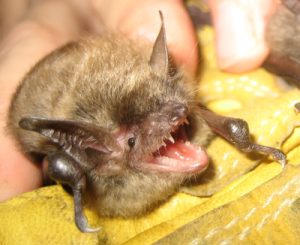 Bats play an important role in Minnesota’s ecosystem, controlling insect populations and pollinating plants. However, when they take up residence inside homes, attics, or other structures, they can quickly become a serious problem for homeowners and property managers. Bat infestations often go unnoticed for months, as these nocturnal creatures are quiet, elusive, and active primarily at night. Recognizing the early warning signs of a bat infestation is key to preventing property
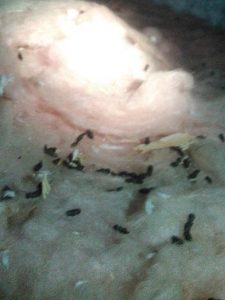 When wildlife finds its way into your attic, the damage doesn’t end with noises in the night or shredded insulation. One of the most serious and overlooked problems is the accumulation of animal droppings. Whether the invaders were bats, mice, squirrels, raccoons, or birds, animal droppings pose significant health and structural risks. For homeowners and property management professionals, proper removal and sanitization is essential—not just for cleanliness, but also for safety and long-term property protection.