Protecting Your Home From Wild Animal Intrusion
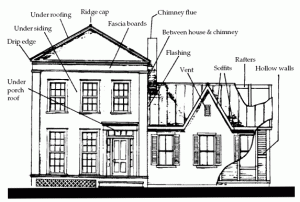 When we think of wildlife management services, we often envision humane animal removal or pest control. However, there’s a vital service provided by Minnesota Wild Animal Management that deserves more attention – Nuisance Wildlife Exclusion. Today, we’ll explore this often overlooked but essential aspect of wildlife management that can safeguard your home from unwanted critters during the winter months in Minnesota.
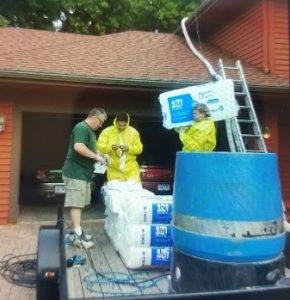 Dealing with a wildlife infestation in your home can be a stressful experience, but the challenges don’t end when the critters are removed. It’s equally important to thoroughly sanitize your home to ensure the health and safety of your family. In this blog post, Minnesota Wild Animal Management provides essential guidance on how homeowners can effectively sanitize their spaces after an infestation.
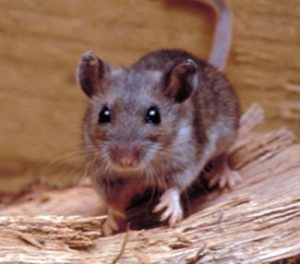 Are you dealing with a mouse infestation in your White Bear Lake home? If so, you’re likely looking for a reputable mice removal company that can take care of the problem once and for all. Thankfully the team at Minnesota Wild Animal Management has decades of experience helping residents in and around St. Paul, MN, with all their pest control needs, including mice removal.
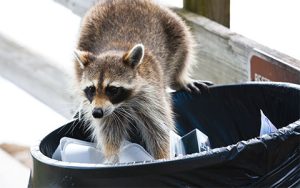 As the summer season transitions into fall in Minnesota, it’s not just the leaves that are changing. Wildlife activity tends to increase as animals prepare for winter, potentially leading to unwanted encounters around your property. To help you proactively protect your home, Minnesota Wild Animal Management offers valuable insights on preparing for potential nuisance animals
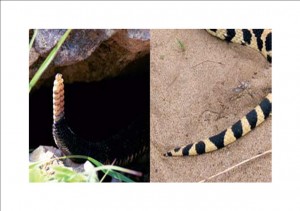 There are several different snake species in Minnesota, and luckily for us it is very uncommon to come across a venomous snake here in our home state. Snakes range from 10 cm to several feet long and have a variety of colors. Although many people fear snakes, there is a very low probability that any snake you come across in Minnesota are dangerous, and snakes are a very important part of the ecosystem. Snakes help control rodent populations